
As winter's chill sets in, infrastructure professionals face unique challenges when it comes to cable pulling. Cold temperatures can significantly impact cable flexibility and increase the risk of damage during installation. To ensure efficiency and safety, it's crucial to adapt your techniques and employ best practices tailored for winter conditions.
Pre-Pull Planning and Preparation
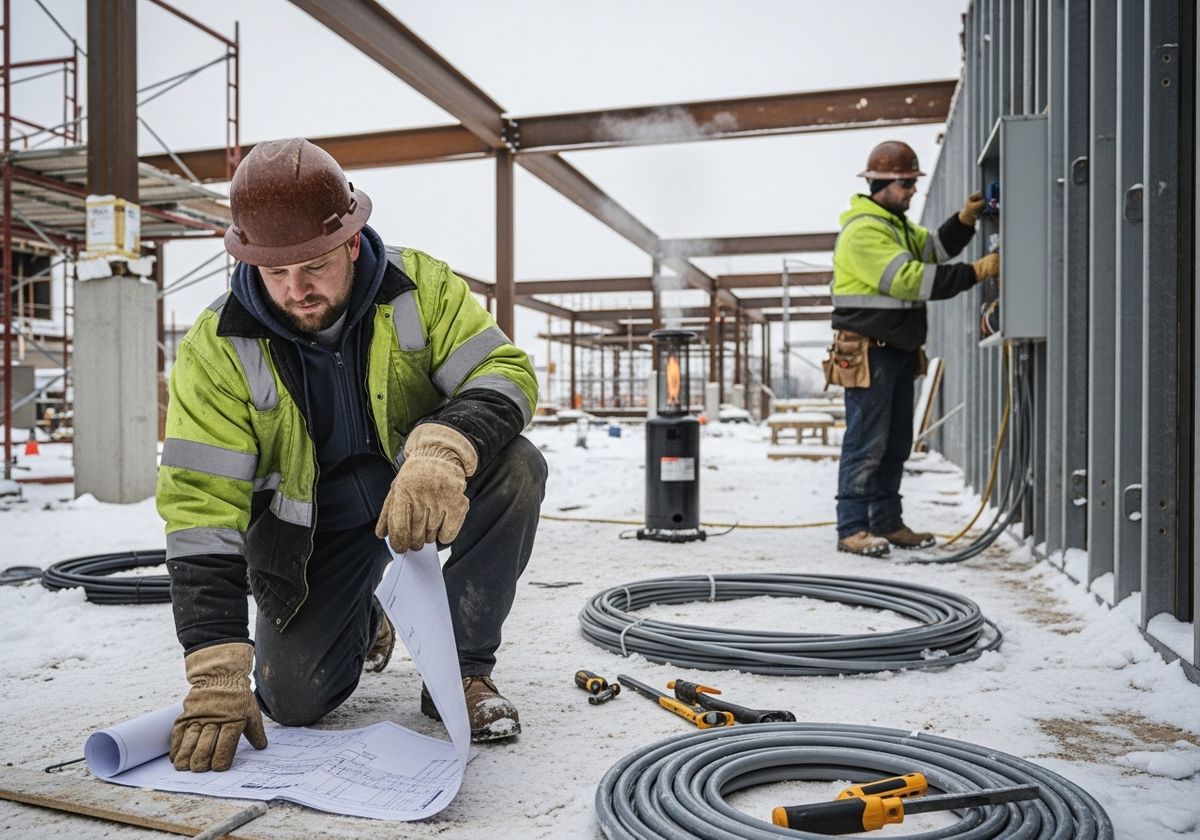
Before you even think about unspooling that first foot of cable, meticulous planning is key:
Assess the Weather: Monitor weather forecasts closely. Extreme cold, snow, or ice can create hazardous working conditions and impact cable handling. Reschedule if necessary.
Cable Selection: Ensure the cable is rated for the expected temperature range. Cold weather can make some cable jackets brittle and prone to cracking.
Route Inspection: Inspect the cable route for any potential obstructions or hazards, such as ice buildup or fallen debris. Clear the path to ensure smooth cable movement.
Cold-Weather Cable Handling
Proper handling is paramount when temperatures drop:
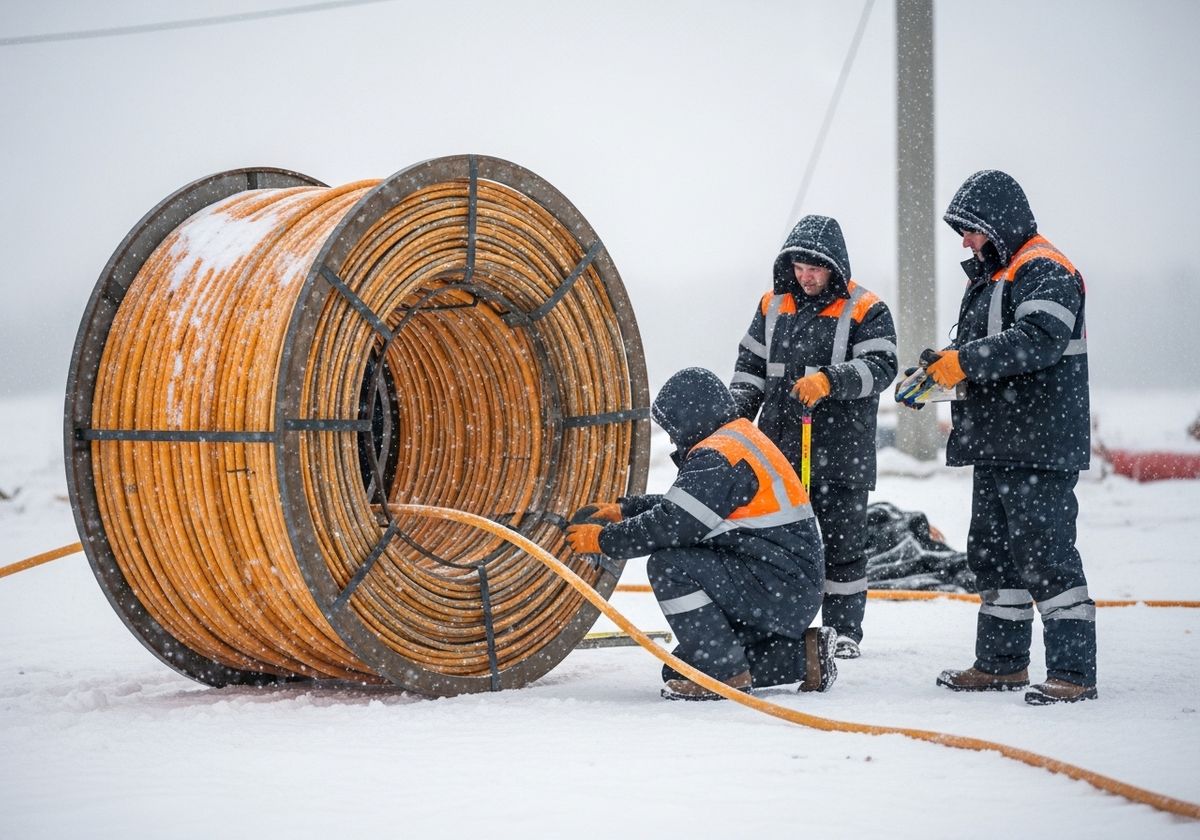
Warm the Cable: If possible, store cables in a heated environment before installation. This will improve flexibility and reduce the risk of damage. If warming isn't possible, allow the cable to acclimate to the ambient temperature for several hours before pulling.
Use Cable Lubricant: Apply a cold-weather-specific cable lubricant to reduce friction and prevent the cable from sticking to the conduit. Ensure the lubricant is compatible with the cable jacket.
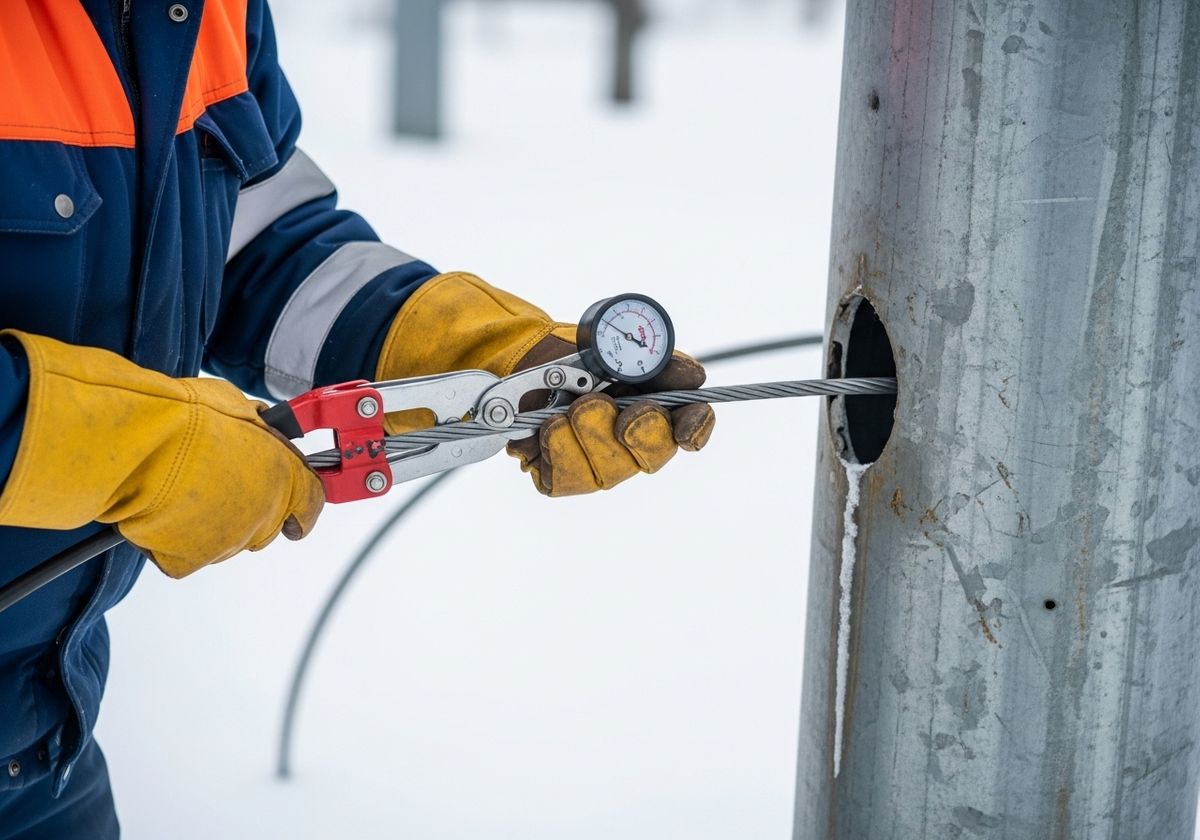
Control Pulling Tension: Cold temperatures can increase cable stiffness, requiring more pulling force. Monitor tension carefully to avoid exceeding the cable's maximum pulling tension rating. Use appropriate industrial tools such as dynamometers to measure tension accurately.
Avoid Sharp Bends: Cold cables are more susceptible to damage from sharp bends. Use wider sweeps and larger radius rollers to minimize stress on the cable.
Safety Considerations
Winter conditions introduce additional safety concerns:
Personal Protective Equipment (PPE): Ensure crews are equipped with appropriate cold-weather PPE, including insulated gloves, hats, and waterproof boots. Layering clothing is essential for maintaining body temperature.
Traction and Stability: Ice and snow can create slippery surfaces. Use caution when walking or working near the cable route. Wear slip-resistant footwear and consider using ice cleats or traction aids.
Equipment Maintenance: Keep industrial tools and equipment properly maintained and lubricated. Cold temperatures can affect the performance of hydraulic and pneumatic systems.
By implementing these winter cable pulling best practices, infrastructure professionals can minimize risks, improve efficiency, and ensure reliable installations, even in the harshest conditions. Remember, safer pulls and smarter installs are achievable with careful planning and the right approach. At EZ Mast, LLC, we understand the challenges you face. That's why we provide smarter solutions for infrastructure professionals, making mast-arm cable installation easier, safer, and faster. Explore our range of tools and grommet systems today!