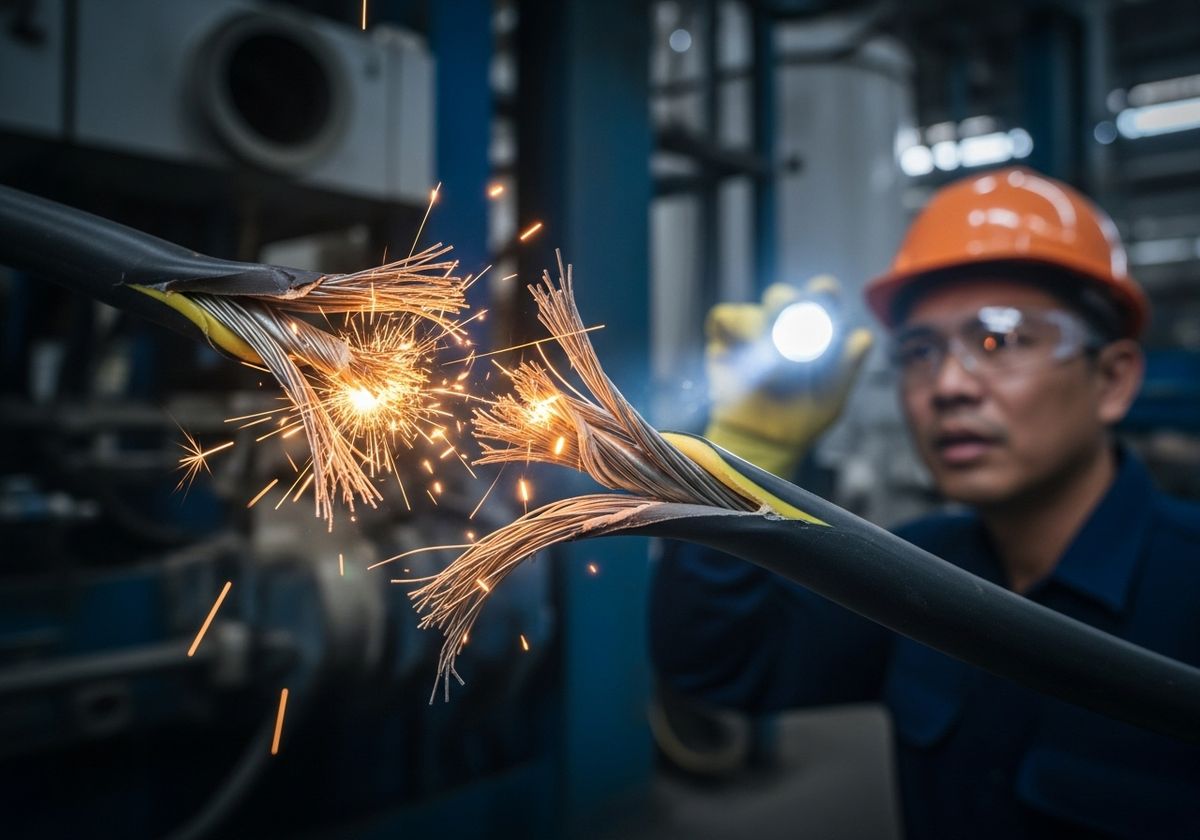
Damaged wire insulation poses a significant threat to the efficiency, safety, and profitability of industrial and commercial operations. From minor disruptions to major system failures, the consequences of compromised wiring can quickly escalate, leading to unexpected costs and potential hazards. Understanding the causes and implications of damaged wire insulation is crucial for implementing preventative measures and safeguarding your bottom line.
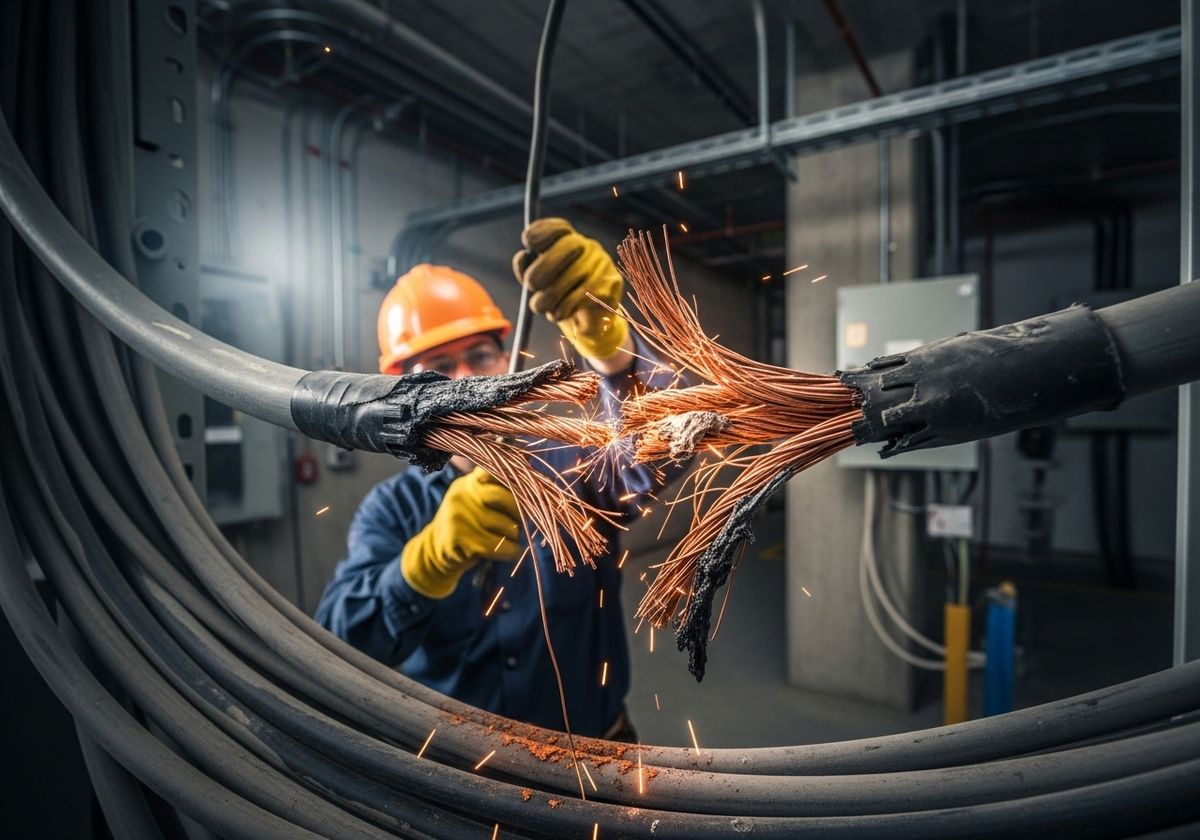
The High Cost of Damaged Wire Insulation
The financial impact of damaged wire insulation extends far beyond the cost of repairs. Here's a breakdown of the potential expenses:
Downtime: Damaged wiring can cause equipment malfunctions and system outages, halting production and disrupting critical operations. The resulting downtime translates to lost revenue, missed deadlines, and potential contractual penalties.
Energy Inefficiency: Compromised insulation increases energy consumption as electricity leaks from damaged wires. This leads to higher utility bills and a larger carbon footprint.
Equipment Damage: Electrical shorts and surges caused by faulty insulation can damage sensitive electronic equipment, requiring costly replacements or repairs.
Safety Hazards: Exposed wires and electrical arcing pose serious safety risks, including electric shock, fires, and explosions. Addressing these hazards requires immediate attention and can result in significant expenses.
Labor Costs: Diagnosing and repairing damaged wire insulation requires skilled technicians, adding to labor costs. Traditional repair methods can be time-consuming and disruptive, further increasing expenses.
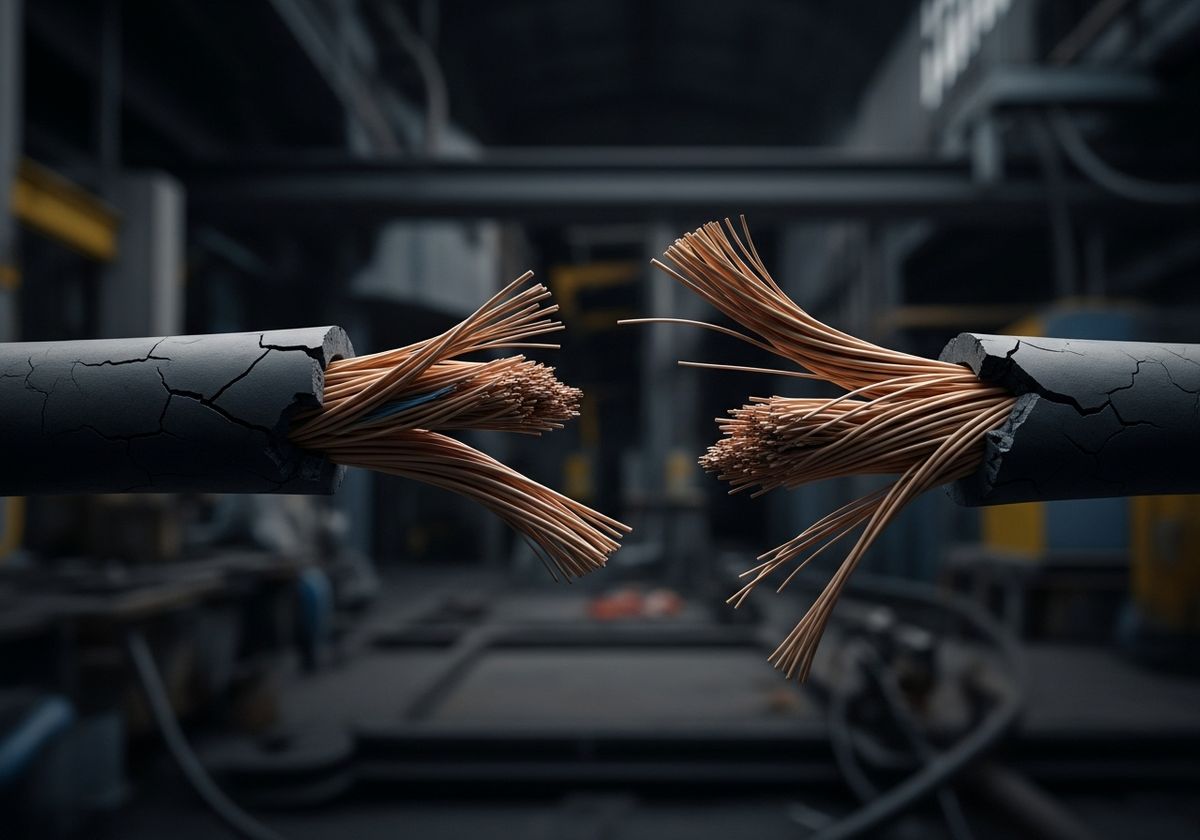
Common Causes of Wire Insulation Damage
Several factors can contribute to the deterioration of wire insulation. Identifying these causes is essential for implementing preventative measures:
Physical Damage: Abrasion, impact, and crushing can compromise the integrity of wire insulation, exposing the underlying conductors. This is especially common in industrial environments where wires are subject to heavy use and potential hazards.
Environmental Factors: Exposure to extreme temperatures, moisture, chemicals, and UV radiation can accelerate the degradation of wire insulation. Selecting appropriate insulation materials for specific environmental conditions is crucial for long-term reliability.
Improper Installation: Sharp bends, tight pulling, and inadequate support can stress wire insulation, leading to premature failure. Following proper installation practices is essential for ensuring the longevity of wiring systems.
Aging: Over time, wire insulation can become brittle and crack, especially in harsh environments. Regular inspections and timely replacements are necessary to prevent age-related failures.
Rodents and Pests: Rodents and pests can chew on wire insulation, causing significant damage and creating safety hazards. Implementing pest control measures and using rodent-resistant cables can help mitigate this risk.
Preventing Wire Insulation Damage
Proactive measures are essential for preventing wire insulation damage and minimizing its associated costs:
Regular Inspections: Conduct routine visual inspections of wiring systems to identify signs of damage, such as cracks, abrasions, or exposed conductors. Use thermal imaging to detect hot spots and potential insulation failures.
Proper Installation Practices: Follow industry best practices for cable routing, support, and termination. Avoid sharp bends and excessive pulling force during installation.
Cable Protection: Use conduits, cable trays, and other protective measures to shield wires from physical damage and environmental hazards. Select cable types that are appropriate for the specific application and environment.
Environmental Controls: Implement measures to control temperature, humidity, and chemical exposure in areas where wiring is present. Use appropriate insulation materials that are resistant to the specific environmental conditions.
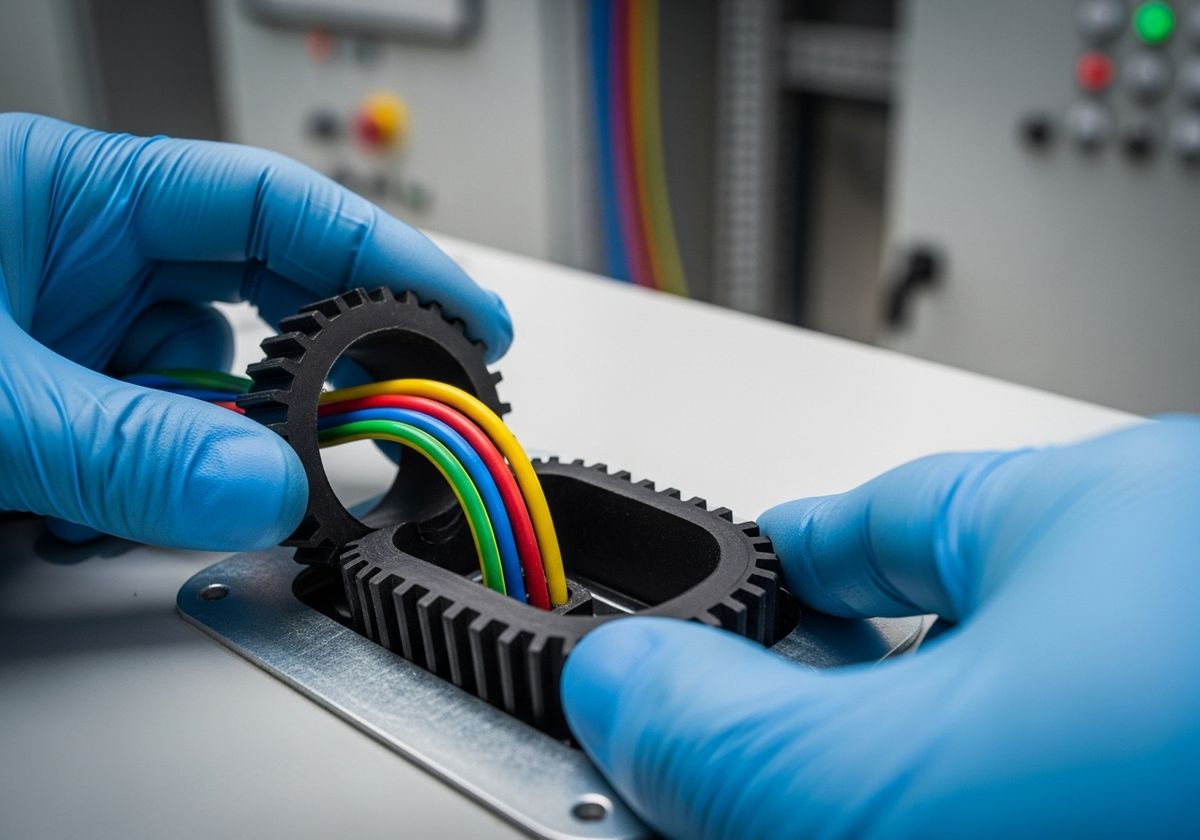
Grommet Usage: When running cables and wires through panels and enclosures, protect the wire with a properly sized and installed cable grommet kit. Add strain relief where appropriate to prevent the cable from being pulled or stressed.
Protecting your wire insulation is essential for maintaining a safe, efficient, and profitable operation. Taking proactive steps to prevent damage can save you thousands of dollars in downtime, repairs, and safety-related expenses.
EZ Mast understands the challenges infrastructure professionals face when dealing with cable installations. That's why we offer smarter solutions, like our industrial tool supplier services and wire pulling tool, designed to make your job easier, safer, and faster. Our cable grommet kit and industrial rubber grommets ensure that your cables are protected from damage during installation and throughout their lifespan. Discover how EZ Mast can help you achieve safer pulls and smarter installs. Contact us today to learn more about our products and services, or explore our resource center for industry best practices.