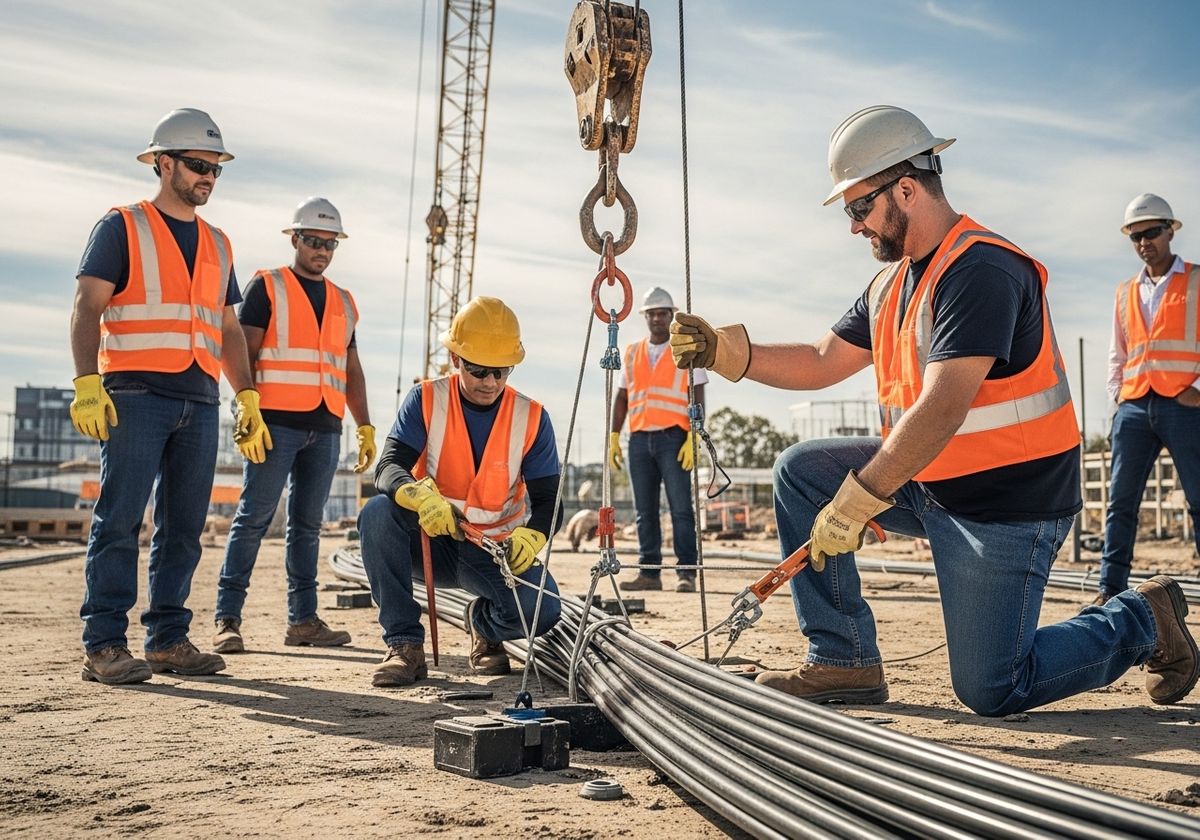
In the realm of infrastructure and electrical work, cable pulling is a routine yet critical task. However, the risks associated with this process, such as worker injury and cable damage, are significant. This guide serves as an essential resource for professionals aiming to enhance safety and efficiency in their cable pulling operations.
Understanding the Risks
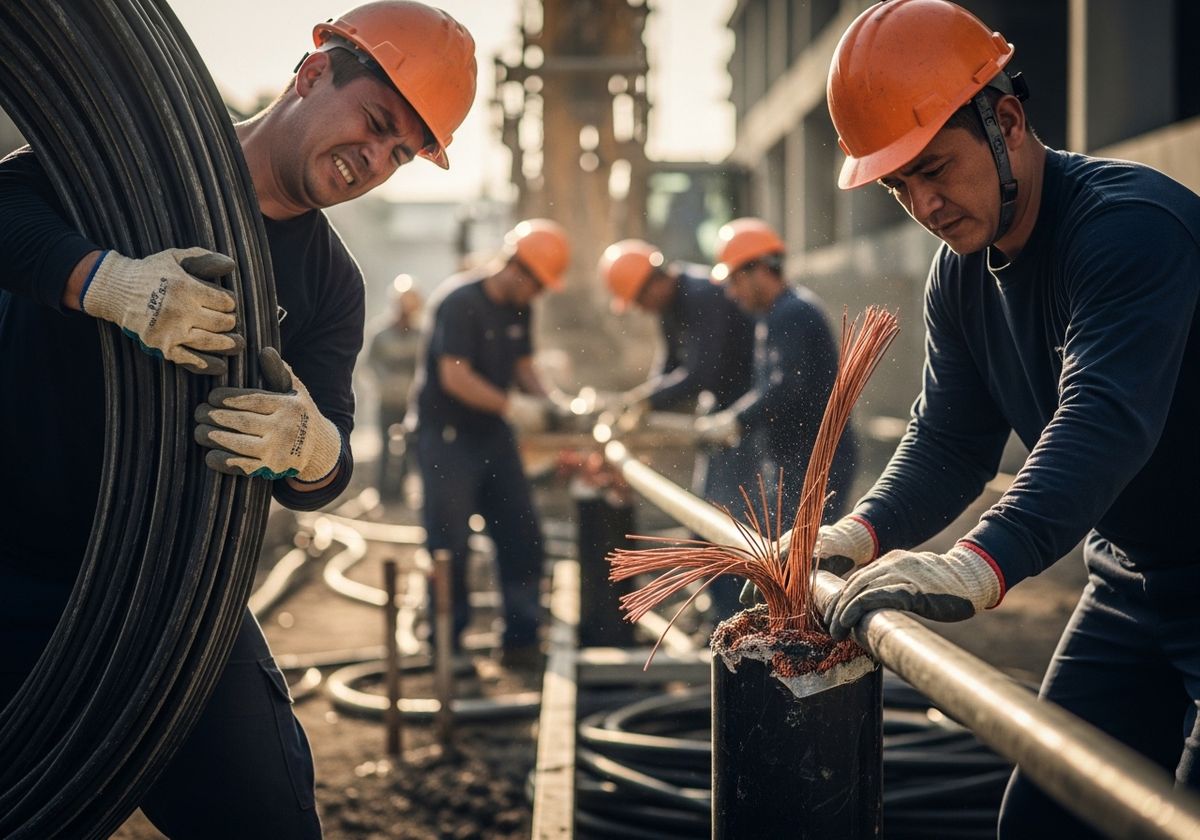
Cable pulling can expose workers to various hazards. These include strains and sprains from heavy lifting, electrical shocks, and injuries from using improper tools or techniques. Furthermore, the cables themselves are vulnerable to damage, which can lead to costly repairs and project delays. Recognizing these risks is the first step toward creating a safer work environment.
Implementing Best Practices
Proper Planning: Before starting any cable pull, conduct a thorough site assessment. Identify potential obstacles, plan the route, and ensure adequate lighting and ventilation.
Using the Right Industrial Tools: Employ the appropriate industrial tools for the job, such as cable pullers, feeders, and tension meters. Regularly inspect these tools to ensure they are in good working condition. Never exceed the tool's load capacity.
Grommet Tools are Essential: sharp edges and tight spaces often necessitate the use of grommets to protect cables during installation. Grommet tools are essential for the correct installation of grommets, ensuring that cables are shielded from abrasion and damage as they are pulled through various structures.
Safe Techniques: Train your team on proper cable pulling techniques. This includes maintaining a steady pace, avoiding sudden jerks, and using communication signals to coordinate efforts.
Personal Protective Equipment (PPE): Always wear appropriate PPE, including gloves, safety glasses, and hard hats. Depending on the environment, additional protective gear may be necessary.
The Role of Technology
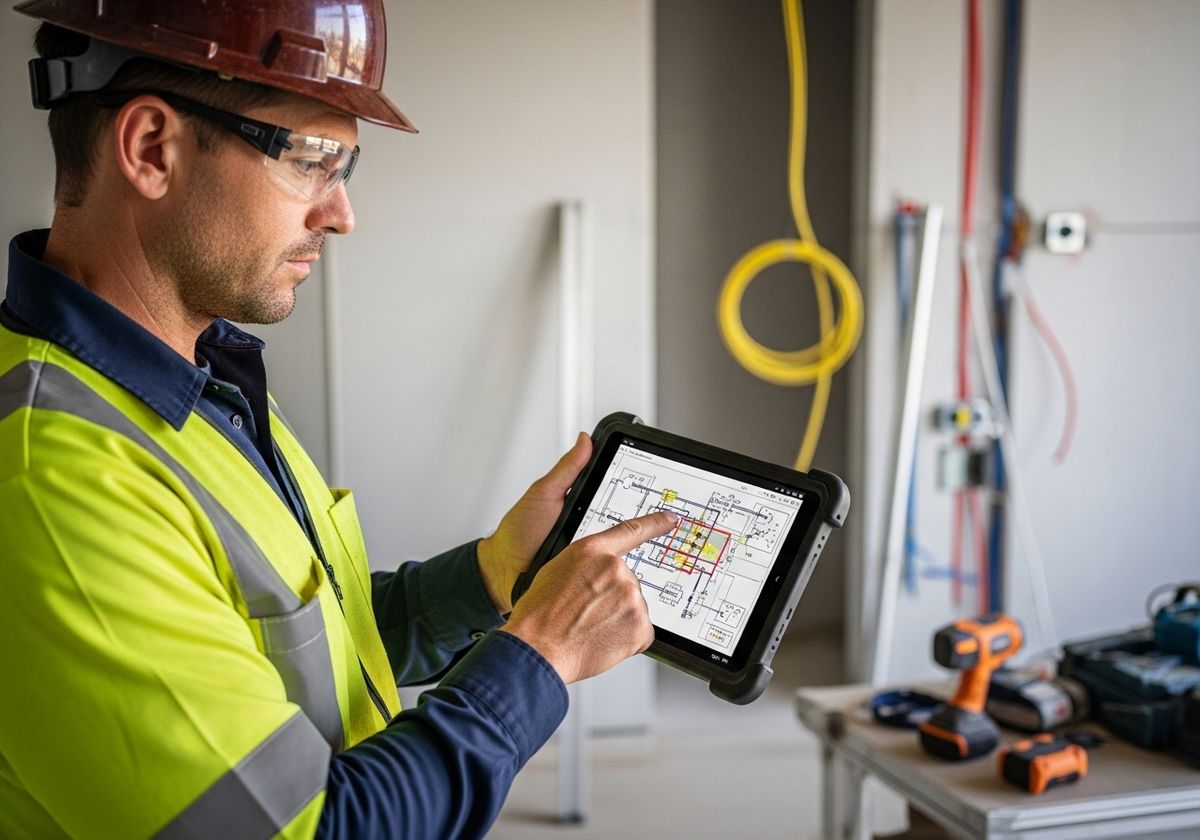
Advancements in technology have led to the development of innovative solutions for cable pulling. These include cable pullers with advanced tension control, cable lubricants that reduce friction, and software that simulates cable pulls to identify potential issues beforehand. Embracing these technologies can significantly improve safety and efficiency.
Prioritizing Training and Communication
Regular training is crucial for ensuring that workers are up-to-date on the latest safety protocols and techniques. Additionally, clear and open communication among team members is essential for coordinating efforts and addressing potential hazards in real-time.
By understanding the risks, implementing best practices, leveraging technology, and prioritizing training and communication, you can create a safer and more efficient cable pulling operation. Remember, a safe job is a job well done. EZ Mast provides smarter solutions for infrastructure professionals by making mast-arm cable installation easier, safer, and faster. Our tool and grommet systems reduce labor time, prevent wire damage, and empower crews to do more with less. Contact us today to learn more about our innovative solutions and how they can benefit your operations.